Source Portable Gas Grass Cutter with Forced Air Cooling for Lawns
Find a portable gas grass cutter with forced air cooling for professional landscaping, forest maintenance, and common lawn care. Compare 30 models featuring 4-stroke engines, adjustable handles, and various cutting widths to match your specific ground type requirements.
Key considerations
Products List


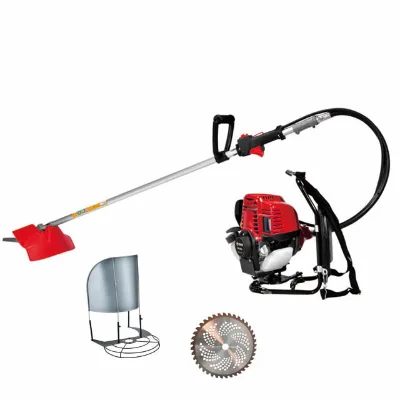


Comprehensive Sourcing Guide
Portable Gas Grass Cutter with Forced Air Cooling Sourcing Guide
Sourcing industrial-grade portable gas grass cutters requires a precise understanding of how cooling systems, engine configurations, and cutter types interact to deliver performance in demanding environments. The specific configuration of forced air cooling is critical for maintaining engine integrity during extended operation, particularly when dealing with dense vegetation or high ambient temperatures. Buyers must distinguish between general-purpose brush cutters and specialized rotary mowers, as the latter often feature more robust chassis and specialized blade systems designed for larger areas. This guide focuses on the technical and commercial nuances of sourcing these machines, ensuring that procurement teams can align their operational needs with the correct supplier capabilities without relying on unverified marketing claims.
The market for these machines is diverse, ranging from lightweight, single-cylinder units suitable for small plots to heavy-duty, self-propelled models designed for golf courses and sports fields. Understanding the distinction between a standard sickle-bar mower and a rotary lawn mower is essential, as each serves different ground types and vegetation densities. Furthermore, the availability of customization options, such as logo printing and handle adjustments, adds a layer of complexity to the sourcing process that goes beyond simple unit pricing. Procurement specialists must evaluate not just the machine’s immediate functionality but also its adaptability to specific brand requirements and long-term maintenance ecosystems.
Product Scope and Observed Listing Signals
The observed product landscape reveals a wide spectrum of capabilities, with prices ranging from approximately $33 to $3,860 USD, reflecting significant variations in engine power, cutting width, and feature sets. At the lower end of the spectrum, buyers may encounter basic portable brush cutters with working widths around 62cm and engine displacements near 140cc, often packed in cartons for efficient logistics. These units typically feature recoil start methods and are designed for smaller applicable areas, such as 500-1000 square meters, making them suitable for light commercial or large residential use. The presence of forced air cooling in these models suggests a focus on durability during continuous operation, a key differentiator from air-cooled engines that may overheat under heavy loads.
At the higher end of the price range, the scope expands to include sophisticated robotic mowers and heavy-duty rotary lawn mowers with cutting widths up to 900mm and engine displacements exceeding 700cc. These advanced units often feature electric start systems, remote control capabilities, and specialized walking modes such as crawler tracks for uneven terrain. The observed listings indicate that suppliers in Qingdao and Taizhou, Zhejiang, offer a variety of configurations, including straight metal blades and sickle-bar mowers, catering to diverse mowing requirements from forest lawns to soccer fields. Buyers should note that while some models offer height-adjustable handles and anti-stall features, others may focus on remote operation and GPS integration, requiring a clear definition of operational priorities before engaging with suppliers.
Technical Specifications to Verify
Engine selection is the most critical technical decision, as the power source directly impacts performance, maintenance costs, and regulatory compliance. The supplied data indicates a range of engine options, including 196cc, 140cc, and 764cc displacements, with brands such as Locin, B&S, Ducar, and Honda available. Buyers must verify the specific engine model and its compatibility with the intended workload, as a 140cc engine may struggle in dense brush compared to a 764cc unit designed for large-scale turf management. Additionally, the distinction between 2-stroke and 4-stroke engines is vital, as 4-stroke engines generally offer better fuel efficiency and lower emissions, aligning with stricter environmental standards in many markets.
Cutting performance and chassis design are equally important factors that determine the machine’s suitability for specific ground types. The working width, which ranges from 62cm to 900mm, must be matched to the scale of the operation, while the cutter type—whether rotary, sickle-bar, or brush cutter—dictates the quality of the cut and the types of vegetation it can handle. Buyers should also verify the stubble height settings, with observed values around 29mm, and the minimum ground clearance, which can be as low as 0mm for robotic models. The presence of features such as forced air cooling, steel chassis, and self-propelled mechanisms adds to the machine’s durability but also increases its weight, which can reach up to 70kg, affecting transport and handling logistics.
Compliance and Safety Documentation
Certification requirements vary significantly by destination market, and buyers must ensure that the supplied machines meet local regulatory standards. The observed listings include CE, EMC, EPA, and GS certifications, which are essential for selling in Europe and North America. However, the presence of these certifications on a listing does not guarantee that every unit produced will comply, so buyers must request valid test reports and certificates of conformity for the specific model and engine combination being purchased. It is crucial to verify that the emissions compliance, particularly EPA certification, matches the engine brand and displacement, as non-compliant engines can lead to customs delays and legal liabilities.
Safety documentation is another critical area that requires careful verification. Machines with high-power engines and rotating blades must come with comprehensive user manuals, safety warnings, and protective equipment specifications. Buyers should ensure that the supplier provides clear instructions on the use of height-adjustable handles, remote control systems, and emergency stop mechanisms. For robotic mowers, additional safety features such as anti-slip mechanisms and automatic shutdown upon lifting or tilting must be confirmed. The absence of detailed safety documentation can indicate a lack of quality control, potentially exposing the buyer to liability in the event of an accident.
Cost Drivers and Commercial Terms
The price range of $33 to $3,860 USD is driven by several key factors, including engine brand, cutting width, and the complexity of the control system. Basic brush cutters with recoil start and smaller engines are significantly cheaper than robotic mowers with GPS remote control and electric start systems. Buyers should also consider the cost of customization, such as logo printing and handle adjustments, which may incur additional fees or higher minimum order quantities (MOQs). The observed MOQs range from 1 to 500 units, with some suppliers requiring a minimum of 2 pieces for customized orders, which can impact the total cost for small-scale buyers.
Packaging and logistics are also significant cost drivers, with options ranging from carton packing to palletized shipping. The observed standard dimensions, such as 1520600590 mm for pallets and 363342cm for cartons, affect the volume and weight of the shipment, influencing freight costs. Buyers should negotiate clear terms regarding packaging standards to ensure that the machines arrive without damage, especially for heavy units weighing up to 70kg. Additionally, the origin of the product, whether from Qingdao or Taizhou, Zhejiang, may impact shipping times and costs, so buyers should factor these logistical details into their total cost of ownership calculations.
Supplier Qualification and Quality Control
Supplier qualification is essential to ensure that the machines meet the specified technical and compliance requirements. Buyers should verify the supplier’s manufacturing capabilities, particularly their ability to produce units with forced air cooling and specific engine brands. The presence of multiple certifications, such as CE and EPA, suggests that the supplier has undergone rigorous testing, but buyers should request evidence of these certifications for the specific models they intend to purchase. It is also important to assess the supplier’s experience in exporting to the buyer’s target market, as this can indicate their familiarity with local regulations and customer expectations.
Quality control processes should be clearly defined and agreed upon before placing an order. Buyers should inquire about the supplier’s inspection procedures, including pre-production samples and final random inspections. For customized orders, such as those with specific logos or handle adjustments, buyers should request detailed design proofs and samples before mass production begins. The ability to provide a warranty and after-sales support is also a key indicator of supplier reliability, as it demonstrates their confidence in the product’s durability and their commitment to customer satisfaction.
Long-Term Procurement Checks
Long-term procurement success depends on the availability of spare parts and the ease of maintenance. Buyers should verify the supplier’s inventory of critical components, such as blades, spark plugs, and carburetors, to ensure that downtime is minimized during the machine’s lifecycle. The choice of engine brand also plays a crucial role, as widely recognized brands like Honda and B&S typically have better global support networks for parts and service. Buyers should assess the supplier’s ability to provide technical support and troubleshooting guidance, which can be invaluable for resolving issues that arise during operation.
Finally, buyers should monitor the supplier’s ability to adapt to changing market requirements and technological advancements. The rapid evolution of lawn care equipment, particularly in the realm of robotic and remote-controlled mowers, means that suppliers must continuously innovate to remain competitive. Buyers should establish a long-term relationship with suppliers who demonstrate a commitment to quality, compliance, and customer service, ensuring that their procurement strategy remains aligned with their operational needs and market demands. Regular reviews of supplier performance and product quality will help maintain a reliable supply chain and mitigate risks associated with equipment failure or regulatory changes.
FAQs
What engine options are available for portable gas grass cutters?
Manufacturers typically offer engines from brands like Locin, B&S, Ducar, or Honda. These engines are often 140cc, 139f, or Gx35 models. They provide reliable power for various mowing tasks. Buyers can choose based on specific performance needs and budget constraints. Customization of the engine brand is often available to meet regional preferences.
Can the logo be customized on these portable grass cutters?
Yes, customized logos are available for most portable gas grass cutters. Buyers can request specific branding to align with their business identity. This service allows for better market recognition and professional presentation. The customization process usually requires providing high-resolution logo files. It is a common option for bulk orders and private labeling.
What certifications do these grass cutters typically hold?
Common certifications include CE, EPA, EMC, and GS. These ensure compliance with international safety and environmental standards. CE marks approval for European markets, while EPA meets US emission rules. Buyers should verify specific certifications required for their target regions. These documents are essential for smooth customs clearance and legal operation.
What is the typical minimum order quantity for these cutters?
The minimum order quantity often starts at 2 pieces for some models. Other products may require up to 500 units depending on the supplier. Lower MOQs are suitable for testing the market or small businesses. Higher volumes usually unlock better pricing and customization options. Buyers should confirm the exact MOQ with the supplier before ordering.
How are these portable grass cutters packed for shipping?
Packing methods vary between carton boxes and pallets. Standard cartons measure around 36x33x42cm or similar dimensions. Pallet packing is used for larger or heavier units. Proper packaging protects the product during transit and handling. Buyers should specify their preferred packing method to ensure safe delivery.
What is the working width of these portable grass cutters?
Working widths typically range from 62cm for standard models. Some specialized units may have different cutting widths based on design. The width affects the efficiency of covering large areas. Buyers should select a width that matches their mowing requirements. Wider cutters reduce time but may require more power and maneuverability.